In the biopharmaceutical field, protein expression and yield directly impact drug development and industrialization. However, some proteins are classified as "difficult‑to‑express proteins" due to their unique structures and properties, making it difficult to achieve high expression in conventional systems. The reasons for poor expression are varied, involving factors such as molecular structure, stability, and cellular environment.
First, some proteins have complex three‑dimensional structures, such as high disulfide bond density or multi‑subunit complexes, making them prone to misfolding during synthesis, which leads to insoluble aggregates inside cells and reduces expression efficiency. Second, for highly hydrophobic proteins or those requiring specific glycosylation modifications, such as membrane proteins and coagulation factors, cells struggle to maintain their stable structure under conventional conditions, further exacerbating expression difficulties. In addition, some proteins are inherently cytotoxic; for example, proteases and thrombin can induce apoptosis when overexpressed, causing a sharp drop in expression. External environmental factors also play a role – abnormal stress responses in the expression system, fluctuations in metabolite concentrations, or lack of post‑translational modifications can all lead to incomplete expression or degradation of the protein.
These combined reasons result in low expression levels of difficult‑to‑express protein drugs, which has become a major bottleneck in CMC development for the biopharmaceutical industry. To solve this long‑standing industrial challenge, Canton Biologics has developed the DTEasy toolbox, specifically designed for difficult‑to‑express proteins. This platform is built on integrated optimization strategies to comprehensively improve the yield, stability, and functionality of difficult‑to‑express proteins, providing clients with a systematic and comprehensive solution for developing DTE drug candidates.
The Four Core Strategies of DTEasy
The DTEasy platform addresses the challenges of difficult‑to‑express proteins through four key strategies: molecular engineering, host selection, vector optimization, and process development.
Molecular Engineering – Optimizing Protein Sequences to Enhance Stability and Yield
Different molecules naturally show large differences in expression. For molecules with unsatisfactory expression levels, we apply a three‑step optimization process:
-
Codon optimization: Increase expression by optimizing codon usage. This strategy does not change the amino acid sequence, thus preserving the protein’s secondary and tertiary structure.
-
Sequence modification and truncation: Select suitable alternative sequences to increase expression, and truncate non‑functional fragments to maximally retain functional protein while improving yield. Additionally, fusion tags can be used to enhance solubility and yield.
-
Antibody sequence screening and genetic engineering: For antibody drugs, select appropriate heavy chain/light chain (VH/VL) framework pairs and perform genetic engineering to adjust the sequences, optimize the three‑dimensional structure, and ultimately improve thermal stability.
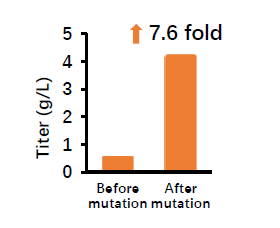
In one project, through sequence risk analysis and point mutations, we successfully increased the cell pool yield by 7.6 times without altering activity.
Host Selection – Carefully Choosing Host Cells to Match Diverse Protein Needs
Host cell selection is critical for producing difficult‑to‑express proteins. The DTEasy platform’s host selection strategy is based on the characteristics of different protein types and target applications:
-
Preference for mammalian cells: Compared to other expression systems, mammalian cells are better at protein folding and disulfide bond formation, ensuring that the expressed protein has higher biological similarity.
-
GlycoExpress® (GEX) cell line: For endogenous proteins requiring extensive glycosylation modifications, such as coagulation factors, FSH, GH, and other hormones, Canton Biologics uses its patented GlycoExpress® (GEX) cell line. This cell line not only increases expression levels but also produces glycosylation patterns closer to those of natural human proteins. It is particularly suitable for proteins with high tissue specificity.
For example, when expressing the extracellular domain of a G‑protein coupled receptor (GPCR), the expression level in GEX® cells can be up to ten times higher than in conventional CHO‑K1 cells.
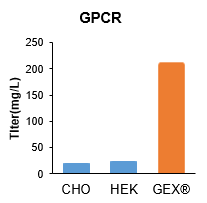
By precisely screening host cells, the DTEasy platform maximizes the yield and quality of difficult‑to‑express proteins, ensuring they meet the functional requirements for drug development.
Vector Optimization – Constructing High‑Efficiency Expression Vectors to Enhance Protein Synthesis Efficiency
The design of expression vectors directly affects protein synthesis efficiency. Canton Biologics’ DTEasy toolbox improves the expression vector system through a series of optimized measures to increase the yield of difficult‑to‑express proteins:
-
Introduction of cis‑acting elements: Using transcriptomic differential expression analysis, cis‑acting elements positively correlated with protein yield are inserted into the vector to increase transcription efficiency.
-
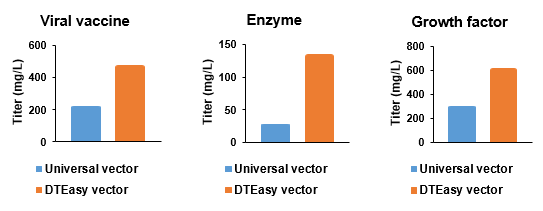
Design of multi‑copy vectors or specialized vectors: For different types of recombinant proteins, using multi‑copy vectors or customized vectors specifically designed for difficult‑to‑express proteins can increase yield by 100%–400%.
-
Co‑expression of inhibitors or ligands: Co‑express inhibitors to reduce cytotoxicity during expression of difficult‑to‑express proteins, or add specific ligands to further boost expression levels, ensuring optimal yield.
Through these combined optimization designs, the DTEasy platform achieves significant improvements in synthesis efficiency and yield for difficult‑to‑express proteins, meeting clients’ high‑standard expression requirements.
Process Development – Customized Upstream Process Solutions to Significantly Increase Yield
In upstream process development, strategies such as optimizing cell culture conditions and adding custom media additives are used to enhance the stability and yield of difficult‑to‑express proteins:
-
Addition of proprietary additives: Adding Canton Biologics’ proprietary DTEasy additives during culture enhances cell tolerance to selection pressure, increasing protein yield up to three times.
-
Use of orbital‑shaking bioreactors: Using gentle orbital‑shaking bioreactors reduces shear stress and cell damage, prolongs effective culture time, and increases protein yield.
-
CBoost® intensified process platform: Using Canton Biologics’ CBoost® intensified process platform during media and culture condition screening can increase the yield of difficult‑to‑express proteins by two times.
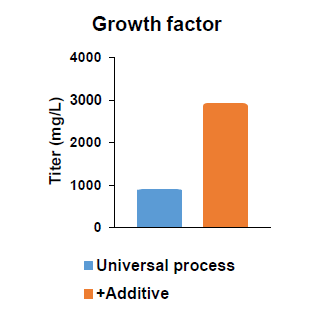
Through precise control of upstream production processes, the DTEasy platform significantly boosts the yield of difficult‑to‑express proteins, providing clients with a reliable process foundation for subsequent CMC development.
Conclusion – Canton Biologics’ DTEasy Toolbox Unleashes the Potential of Difficult‑to‑Express Proteins
In summary, Canton Biologics’ DTEasy platform tackles the pain points of difficult‑to‑express protein development through a multi‑pronged approach including molecular design, host selection, vector optimization, and customized processes. With the DTEasy platform, we help clients unlock the production potential of high‑value but traditionally difficult‑to‑express therapeutic proteins, accelerate development timelines, and provide patients with greater access to innovative biologic therapies.